
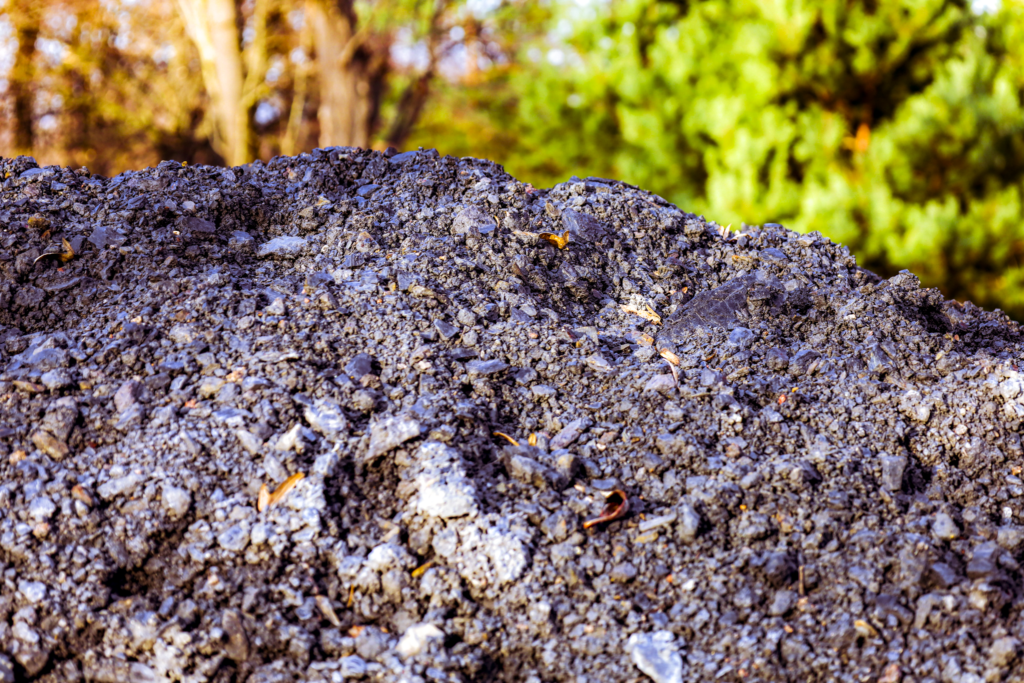
Removing Fines Before They Cause Problems
In many industrial processes, fines are an unavoidable by-product of shredding, grinding, conveying, and general material handling. While small in size, fines can quickly create significant operational problems if they are not removed at the correct point in the process. Early-stage industrial sieving is therefore essential for protecting downstream equipment and maintaining stable throughput.
Fines typically contain higher levels of moisture, dust, oils, and contamination. If allowed to migrate further into the system, they can blind screens, block pumps and pipework, overload washing equipment, and accelerate wear on centrifuges, dryers, and extrusion lines. In recycling and reprocessing environments, fines also contribute to increased effluent loading and reduced separation efficiency.
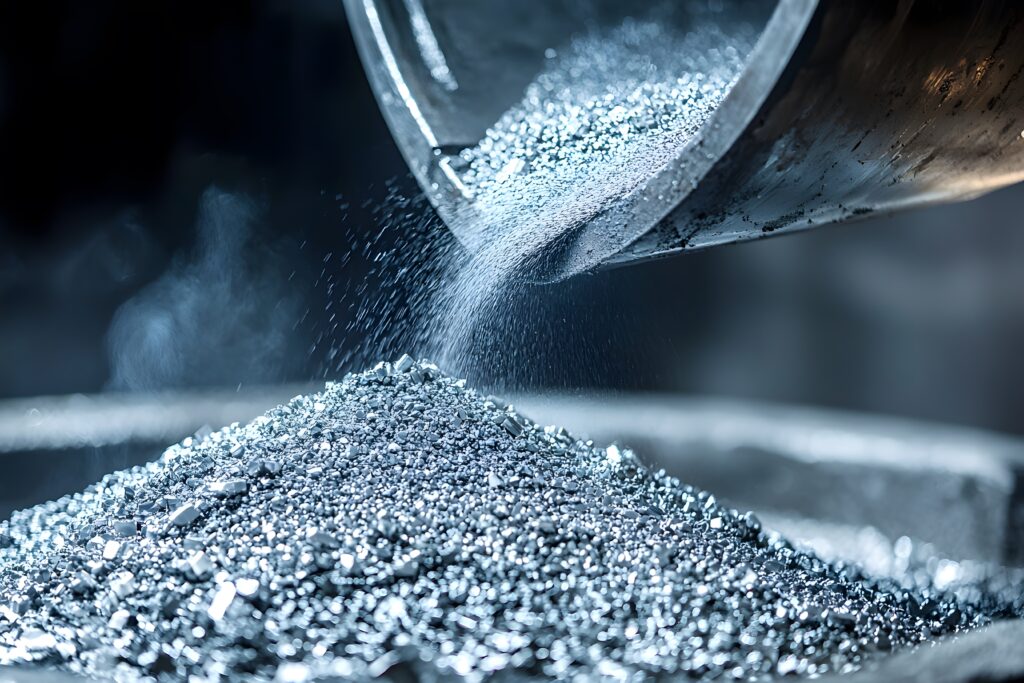
Installing Rotajet Systems industrial vibrating sieves allows fines to be removed before they cause disruption. This preventative approach improves plant reliability, reduces unplanned downtime, and delivers more consistent product quality while protecting higher-value equipment further down the process.
Where removing fines adds the most value
Industrial sieving systems supplied via www.vibratingsieves.co.uk are commonly used in the following applications:
- Plastics recycling – removal of dust, fibres, labels, and fines prior to washing or extrusion
- Waste and recycling – protecting washing, separation, and dewatering equipment
- Food and ingredients – particle size control and removal of undersize material
- Chemicals and minerals – preventing blockages and contamination in downstream processes
- Metal processing – separating fines to improve handling and recovery
In each case, removing fines early helps stabilise throughput and improve overall process efficiency.
Designed for real industrial conditions
Rotajet vibrating sieves are engineered for continuous industrial operation, handling variable feedstocks, abrasive materials, and challenging contamination levels. Robust construction, simple maintenance access, and reliable performance are prioritised over cosmetic finish, ensuring consistent operation in demanding environments.
By installing screening equipment at the correct point in the process, operators can reduce water and energy consumption, extend equipment life, and avoid costly unplanned downtime. In many cases, fines removal is one of the most cost-effective process improvements available.
Frequently Asked Questions
What are fines in industrial processing?
Fines are very small particles, dusts, or fragments created during shredding, grinding, and material handling. If unmanaged, they can cause blockages, excessive wear, and contamination.
Why should fines be removed before washing or extrusion?
Removing fines early protects downstream equipment, reduces effluent loading, prevents screen blinding, and improves overall process efficiency.
Which industries typically require fines removal?
Plastics recycling, waste and recycling, food production, chemicals, minerals, and metal processing commonly require fines removal.
Where should a vibrating sieve be installed?
Vibrating sieves are typically installed upstream of washers, centrifuges, dryers, or extrusion lines, depending on the process and material.
Can vibrating sieves handle wet or contaminated material?
Yes. Industrial sieves can be configured for wet, sticky, abrasive, or contaminated feedstocks using appropriate screen media and machine design.
For industrial sieving and screening solutions, visit www.vibratingsieves.co.uk.