

Industrial Sieving for Plastics, Metals & Powders
Industrial sieving is essential for controlling material quality, protecting downstream equipment, and improving process efficiency across plastics recycling, metal processing, and powder handling industries. Vibrating sieves are widely used to remove fines, separate oversized material, and classify products by particle size—delivering cleaner, more consistent outputs and lower operating costs.
Sieving for Plastics Recycling
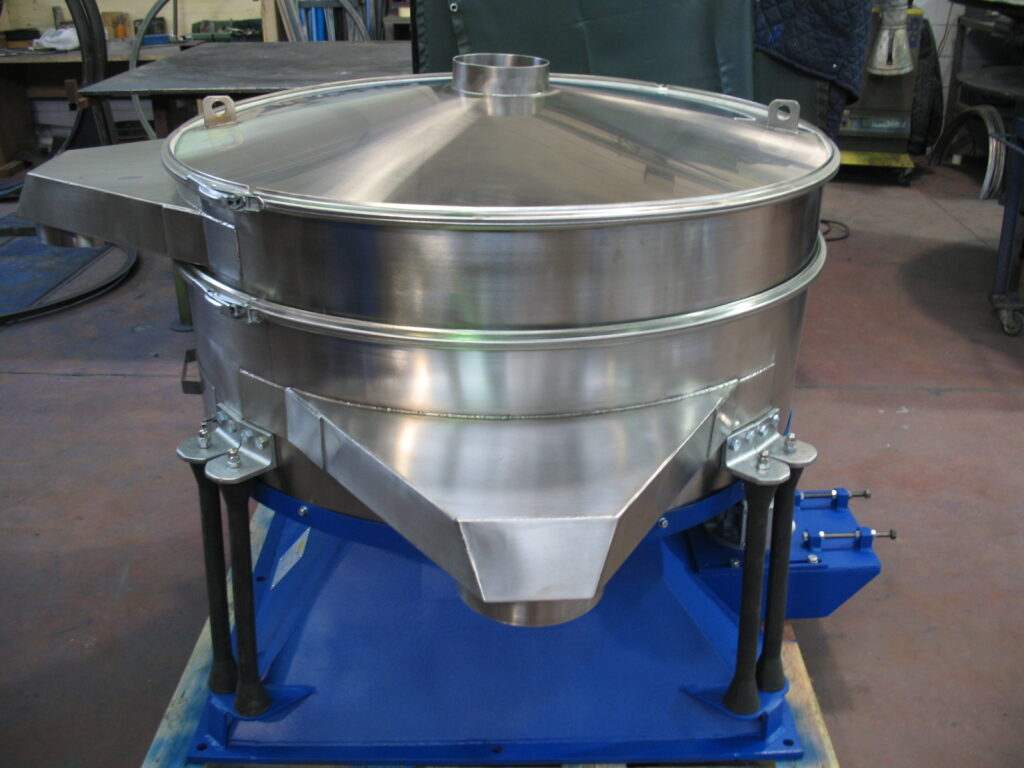
In plastics recycling, vibrating sieves are used to process granulate, flakes, and regrind by removing fines, fibres, dust, labels, and contamination. Effective plastic sieving improves melt flow consistency, reduces extrusion defects, and minimises wear on extruders and pelletisers—particularly important when handling post-consumer waste streams.
Plastic recycling applications and machinery can be viewed here:
https://vibratingsieves.co.uk/separation-in-plastic-recycling/
Sieving for Metals & Powders
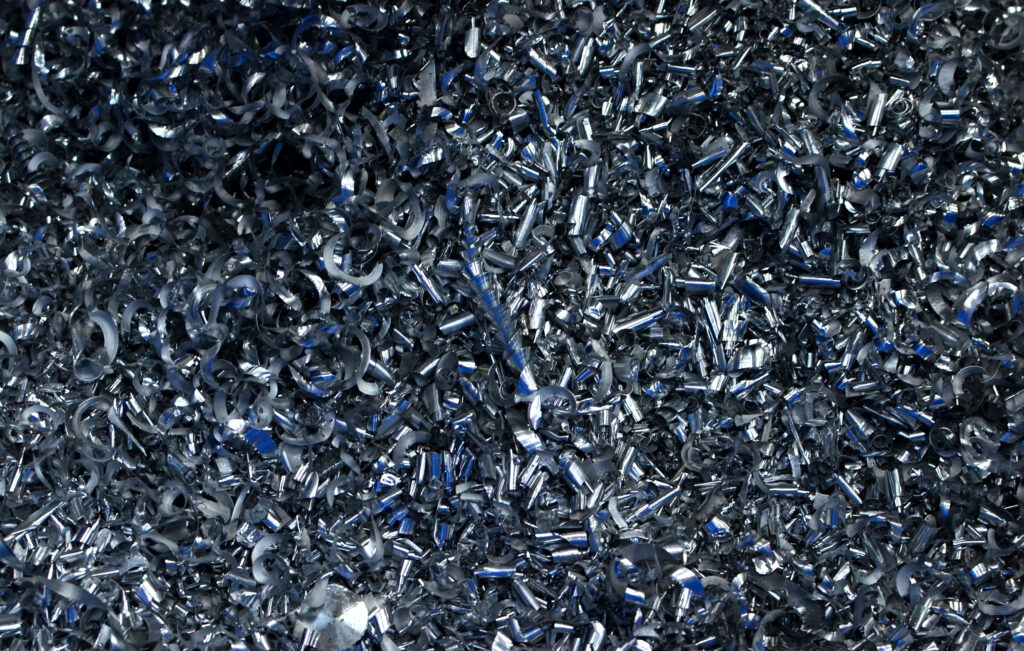
For metal processing, sieving is used to classify powders, swarf, granules, and reclaimed materials by size. Removing fines and oversized particles improves melting efficiency, reduces inclusions, and helps control surface contamination often carried by fine fractions. Applications include aluminium, steel, stainless steel, superalloys, and critical raw materials.
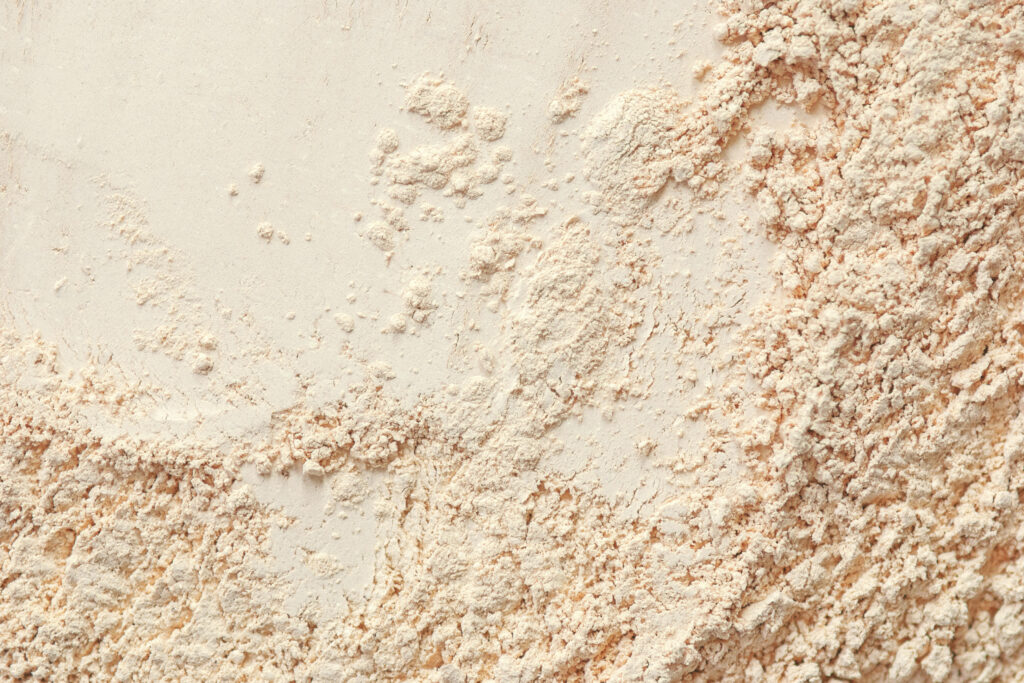
Powder sieving is critical across food, chemical, pharmaceutical, additive, pigment, and battery material processing. Vibrating sieves remove agglomerates, ensure tight particle size control, and protect mixers, fillers, and packaging equipment. Depending on the application, systems may be hygienic, dust-tight, or ATEX-compliant. Modern vibrating sieves are available with single or multi-deck configurations, ultrasonic assistance for fine powders, automated cleaning systems, and retrofit capability—allowing processors to upgrade performance without replacing entire lines.
For more detail on applications in sieving metals & powders, go to: https://vibratingsieves.co.uk/metal-powder/
Frequently Asked Questions (FAQ)
Why is sieving important in recycling and processing?
Sieving removes fines and oversized material that reduce product quality, cause blockages, and increase wear on downstream equipment.
What materials can be processed with vibrating sieves?
Vibrating sieves are suitable for plastics, metals, powders, granules, flakes, swarf, and fine particulate materials.
Can vibrating sieves handle high-throughput applications?
Yes. Industrial vibrating sieves can be specified for high-capacity, continuous-duty operation across demanding production environments.
Are vibrating sieves suitable for ATEX or hygienic applications?
Systems can be supplied with sealed designs, food-grade finishes, and ATEX-compliant configurations depending on the application.
Can sieves be retrofitted into existing process lines?
Yes. Many vibrating sieves are designed to integrate into existing recycling or processing lines with minimal disruption.
Visit Vibrating Sieves to learn more or to contact us.