
Improving Material Separation in Modern Recycling Operations
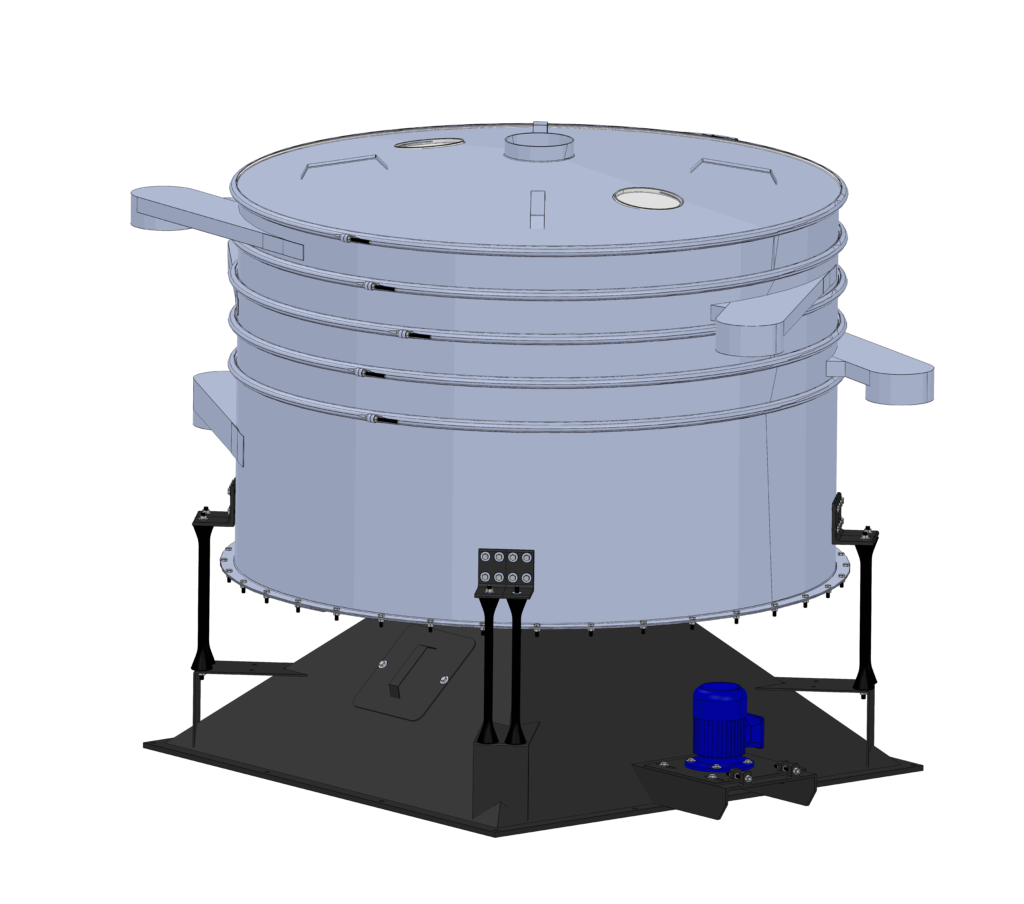
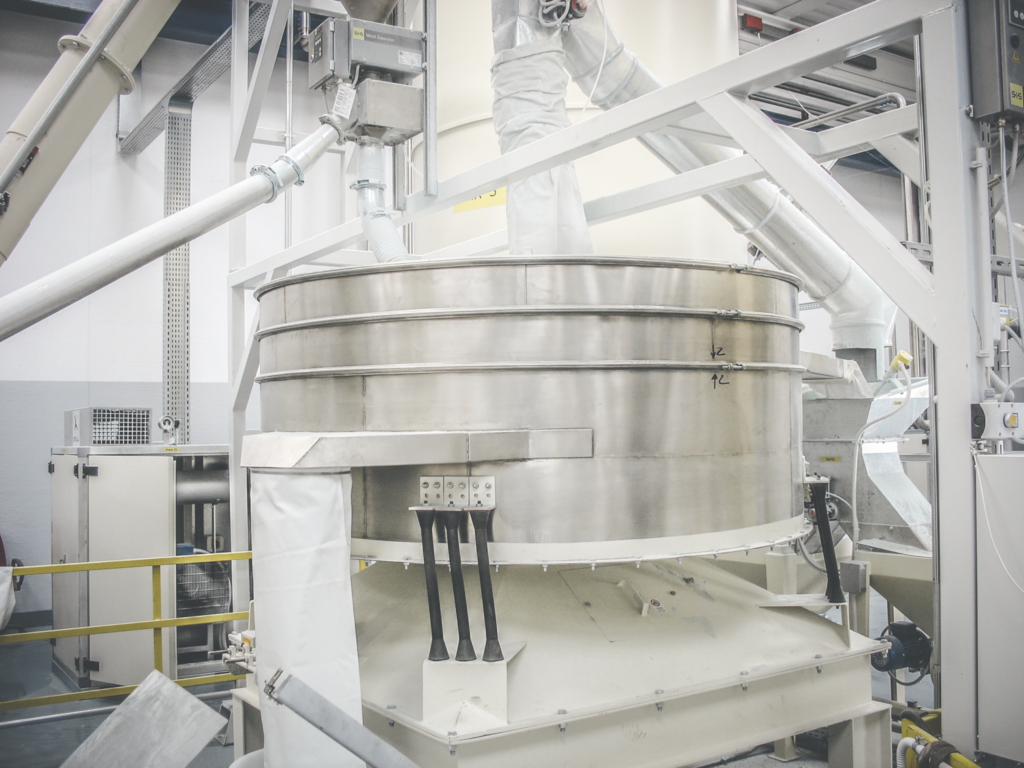
Efficient material separation is one of the most important stages within any recycling, waste processing or bulk material handling operation. As recycling facilities continue to increase throughput requirements while improving material quality standards, selecting the right screening equipment has never been more important. A tumbling screen remains one of the most reliable and effective screening technologies available for processing a wide range of materials. From plastic recycling and biomass processing to compost production and municipal waste treatment, tumbling screens provides accurate material classification while delivering high throughput and dependable performance.
What are Tumbling Screens?
Tumbling screens, often referred to as trommel screens, are rotating cylindrical screening machines designed to separate materials according to particle size.
Material is fed into one end of the rotating drum where it begins to tumble and move through the screening section. As the material travels through the drum, particles smaller than the screen apertures fall through the perforations, while oversized material continues to the discharge point.
The continuous tumbling action helps prevent material build-up while improving screening efficiency, making tumbling screens ideal for handling challenging materials that may clog or blind alternative screening systems.

Why Choose a Tumbling Screen?
High Throughput Capacity
Tumbling screens can process large volumes of material continuously, making it suitable for busy recycling facilities and waste management operations where productivity is essential.
Excellent Material Separation
By accurately classifying materials according to particle size, tumbling screens helps improve the quality of recovered products while reducing contamination levels.
Reduced Maintenance Requirements
The robust design of tumbling screens contain relatively few moving components compared with other screening technologies. This can help reduce maintenance requirements and minimise operational downtime.
Versatility Across Multiple Materials
A single tumbling screen can process a wide range of materials including plastics, wood waste, compost, biomass, aggregates and municipal solid waste.
Improved Downstream Processing
Consistent particle sizing enables downstream equipment such as shredders, granulators, density separators and washing systems to operate more efficiently.
Applications of Tumbling Screens
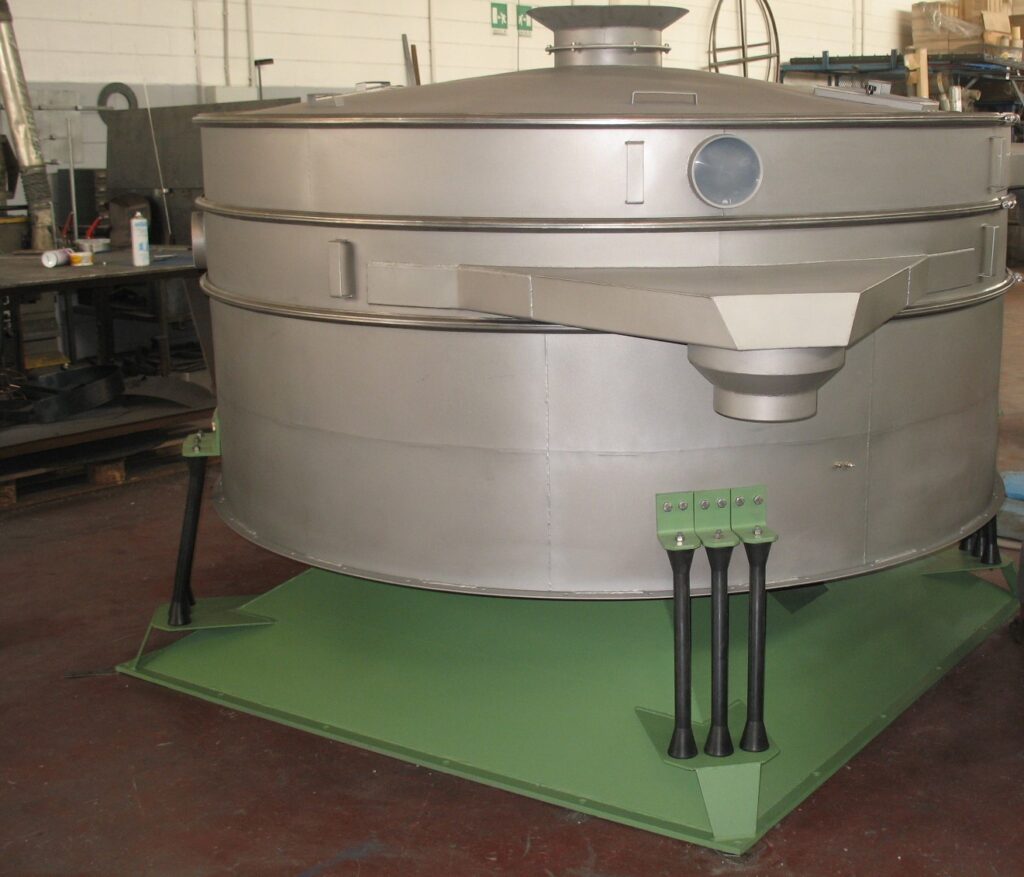
The versatility of tumbling screens makes it suitable for numerous industries and material streams.
Plastic Recycling
In plastic recycling operations, tumbling screens can remove fines, dust and contaminants before materials enter washing or granulation systems. This improves the quality of the finished recycled plastic while reducing wear on downstream equipment.
Compost and Green Waste Processing
Compost producers frequently use tumbling screens to separate finished compost from oversized organic material. This creates a more consistent product while allowing larger fractions to be reprocessed.
Biomass Processing
Biomass facilities utilise tumbling screens to classify wood chips, bark, agricultural residues and alternative fuels. Consistent sizing improves combustion efficiency and product quality.
Construction and Demolition Waste
Tumbling screens can effectively separate aggregates, soil, rubble and recoverable materials from mixed construction waste streams.
Municipal Waste Recycling
Waste management facilities rely on tumbling screens to separate mixed waste fractions before further sorting, helping maximise resource recovery and reduce landfill volumes.
Factors to Consider When Selecting a Tumbling Screen
Choosing the correct tumbling screen requires consideration of several operational factors.
Material Characteristics
The size, moisture content, density and abrasiveness of the material being processed will influence drum design and screening aperture selection.
Throughput Requirements
Understanding your target processing capacity helps ensure the tumbling screen can meet both current and future production demands.
Screening Aperture Size
The aperture size determines which materials pass through the drum and which remain oversized. Selecting the correct screening media is critical for achieving desired product specifications.
Available Space
Facilities should consider installation space, material flow and maintenance access when integrating a tumbling screen into existing processing lines.
Improving Recycling Efficiency with the Right Tumbling Screen
As recycling targets continue to increase worldwide, operators require equipment that can reliably process higher volumes while maintaining material quality.
A properly specified tumbling screen can deliver significant operational benefits including:
- Increased throughput
- Improved material recovery
- Reduced contamination
- Lower operating costs
- Enhanced product quality
- Improved downstream equipment performance
- Reduced manual sorting requirements
- Greater process efficiency
For many recycling facilities, the tumbling screen serves as a critical piece of equipment that directly influences overall plant productivity and profitability.
Rotajet Tumbling Screens
Rotajet Systems supplies robust industrial tumbling screens designed to meet the demands of modern recycling and waste processing operations.
Whether processing plastics, biomass, compost, aggregates or mixed waste streams, our engineers can recommend a tumbling screen tailored to your specific material characteristics and throughput requirements.
By combining durable construction, efficient screening performance and expert technical support, Rotajet helps businesses improve material separation and maximise the value of their recovered products.