
Why Rotajet Delivers Complete Screening Systems — Not Just a Sieve
Stop Buying Sieves. Start Engineering Screening Systems
Industrial vibrating sieves are used across almost every sector of UK manufacturing. From food production and pharmaceuticals to plastics recycling, chemicals, and metal processing, screening plays a critical role in maintaining product quality, removing contamination, and ensuring efficient production.
However, despite their importance, many sieving installations fail to deliver consistent results.
The reason is simple.
The problem is rarely the sieve itself.
A vibrating sieve is a precision machine, but it is only one part of a wider process. If the material is not fed correctly, if the discharge system is poorly designed, if the structural support is inadequate, or if the control system is missing or basic, the sieve will never perform at its full potential.
This is where Rotajet takes a fundamentally different approach.
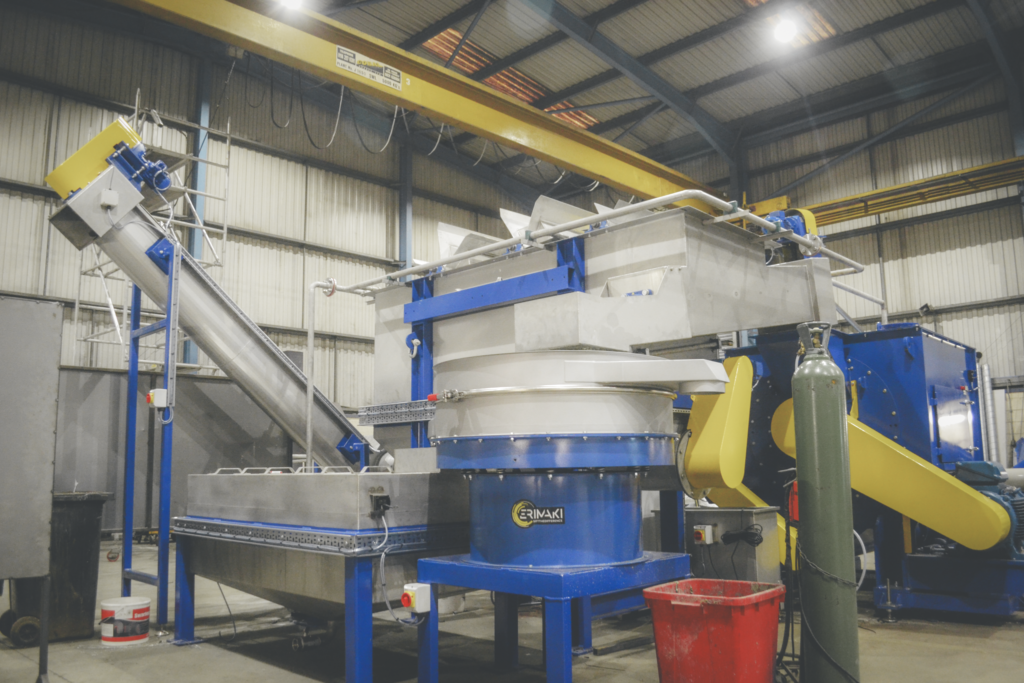
Rotajet does not just supply a vibrating sieve — we design, engineer, and deliver complete screening systems.
The Real Problem: Sieves Are Sold as Machines, Not Systems
Most suppliers sell vibrating sieves as standalone equipment.
The expectation is that the customer will integrate it into their process.
In reality, this creates problems:
- Inconsistent feed rates
- Material flooding
- Blockages and mesh blinding
- Poor separation
- High labour input
- Process bottlenecks
These issues are not caused by poor machines — they are caused by poor integration.
Where Vibrating Sieves Are Used (And Why Integration Matters)
Food Processing Applications
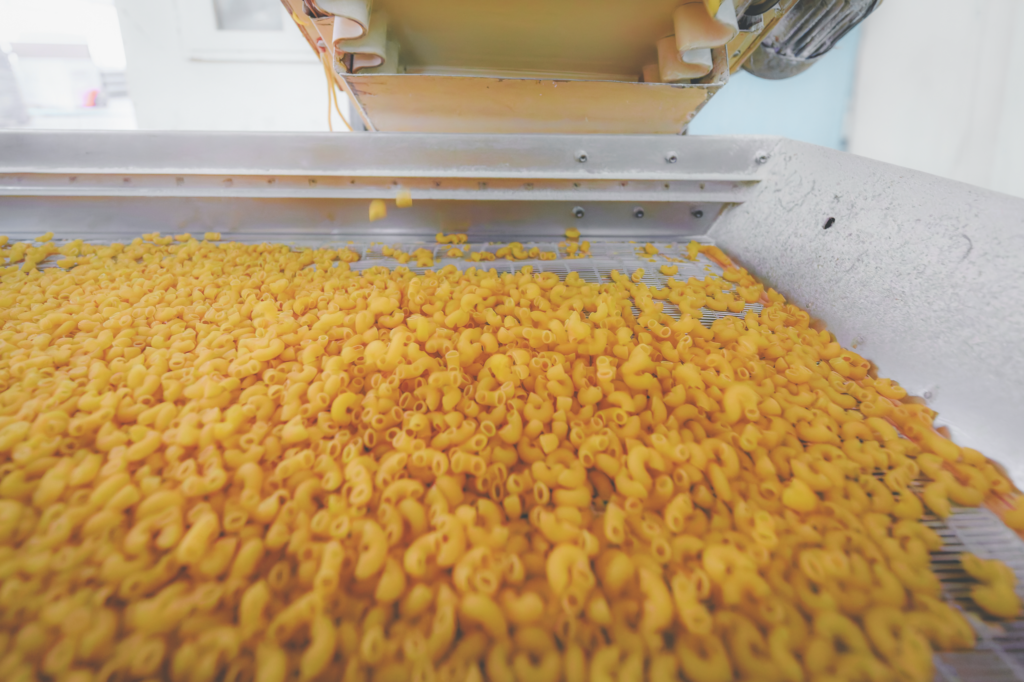
In food production, vibrating sieves are used to remove contamination and ensure consistent particle size in powders such as flour, sugar, and spices.
See applications:
https://vibratingsieves.co.uk/food-beverage/
These applications require:
- Hygienic design
- Controlled infeed
- Dust containment
- Consistent throughput
Without proper system integration, production becomes unstable.
Chemical & Pharmaceutical Processing
Sieving ensures product quality and compliance in chemical and pharmaceutical environments.
Learn more:
https://vibratingsieves.co.uk/chemicals/
These systems require:
- Automation
- Enclosed designs
- Accurate feed control
- Safety systems

Plastic Recycling Systems
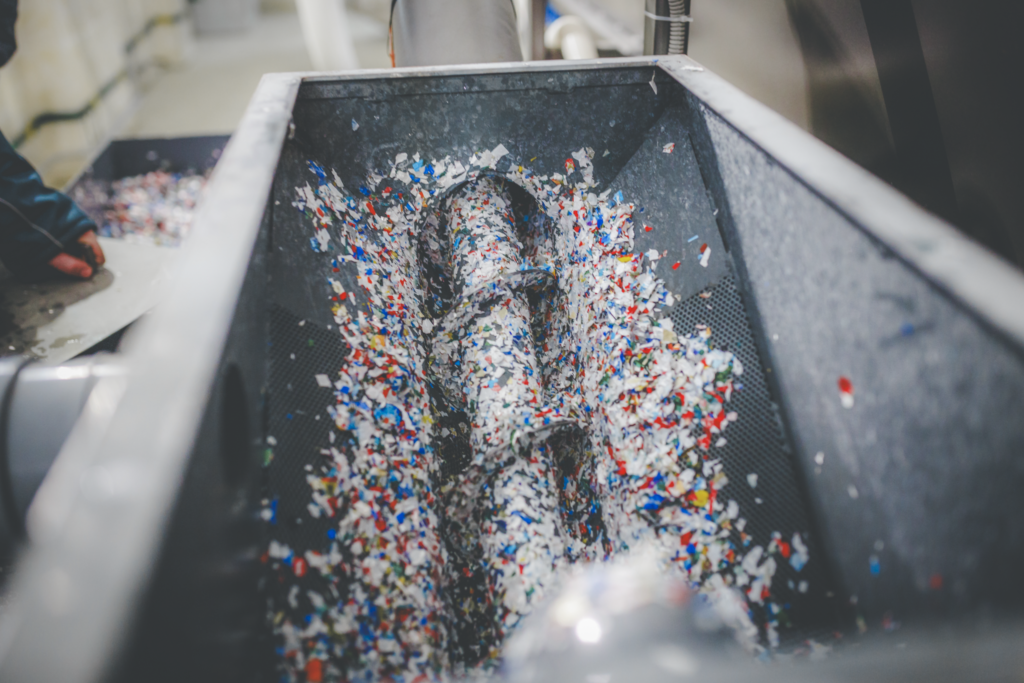
In recycling, sieves remove fines and contamination after washing and shredding.
Related systems:
https://plasticwashing.co.uk/
https://vibratingsieves.co.uk/separation-in-plastic-recycling/
Recycling materials are often wet and contaminated, making integration critical.
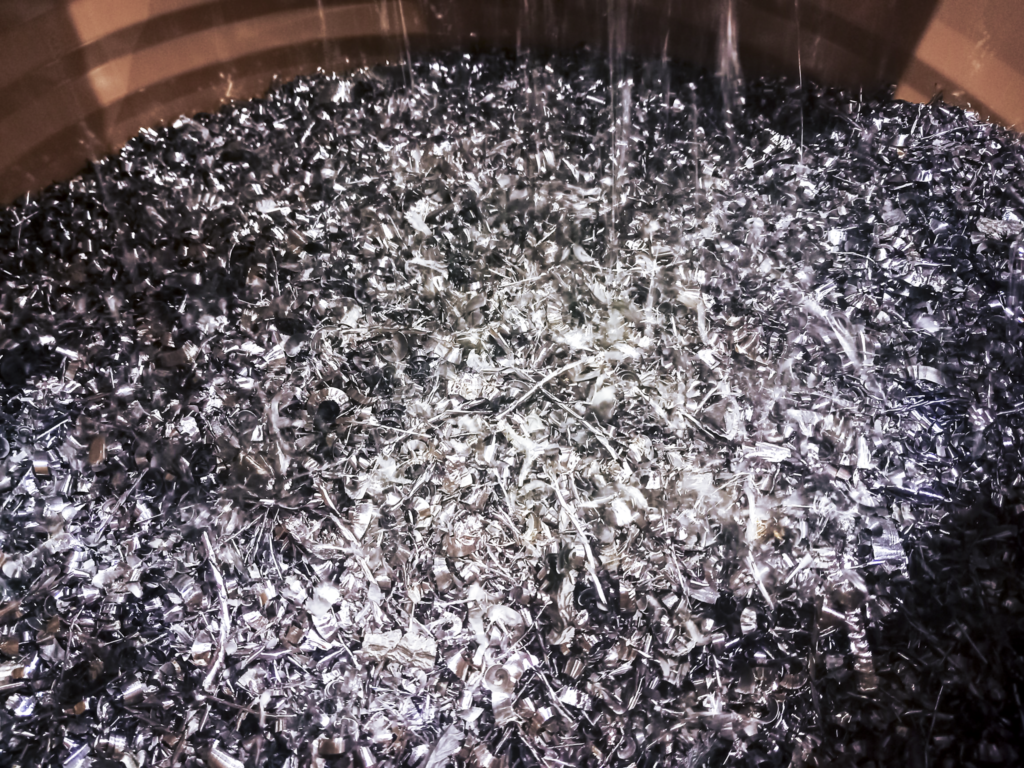
Metal & Swarf Processing
Sieving improves downstream cleaning and separation.
Applications:
https://degreasingmachines.com/applications/
https://vibratingsieves.co.uk/applications/metal-powder-screening/
Waste Water Processing
Waste streams are inconsistent and require robust system design.
Learn more:
https://vibratingsieves.co.uk/water-processing/
Why Most Vibrating Sieves Underperform
1. Inconsistent Feed
Without controlled feeding systems, material flow fluctuates, reducing efficiency.
2. Material Flooding
Too much material overwhelms the screen, reducing separation.
3. Mesh Blinding
Moisture and poor feed conditions block the screen.
4. Manual Intervention
Operators constantly adjust the process.
5. Lack of Integration
The sieve is installed without considering the full process.
The Rotajet Solution: Fully Integrated Screening Systems
Infeed Systems
- Feed hoppers
- Big bag unloaders
- Screw conveyors
- Dosing systems
Ensures consistent feed
Steelwork & Platforms
- Structural frames
- Access walkways
- Safety guarding
Designed for real-world operation
Outfeed Systems
- Conveyors
- Multi-fraction discharge
Prevents bottlenecks
Pumps & Wet Handling
- Slurry pumps
- Recirculation systems
Critical for recycling
Control Panels & Automation
- PLC systems
- VSD drives
- Monitoring
Enables consistency
Dust Control
- Enclosures
- Extraction systems
Designed, Built, and Tested Before Delivery
Factory Acceptance Testing (FATS)
Every system is:
- Assembled
- Tested
- Proven
Before delivery.
Buy, Rent or Contract
- Buy → long-term ROI
- Rent → flexibility
- Contract → outsource
Retrofitting Existing Systems
Upgrade your system with:
- Feed systems
- Automation
- Conveyors
Typical Pricing
| Type | Cost |
| Basic sieve | £5k–£12k |
| Industrial | £12k–£25k |
| Integrated | £50k–£250k+ |
Why Rotajet
- Full integration
- UK engineering
- Proven systems
- One supplier
Frequently Asked Questions
1. What is a vibrating sieve and how does it work?
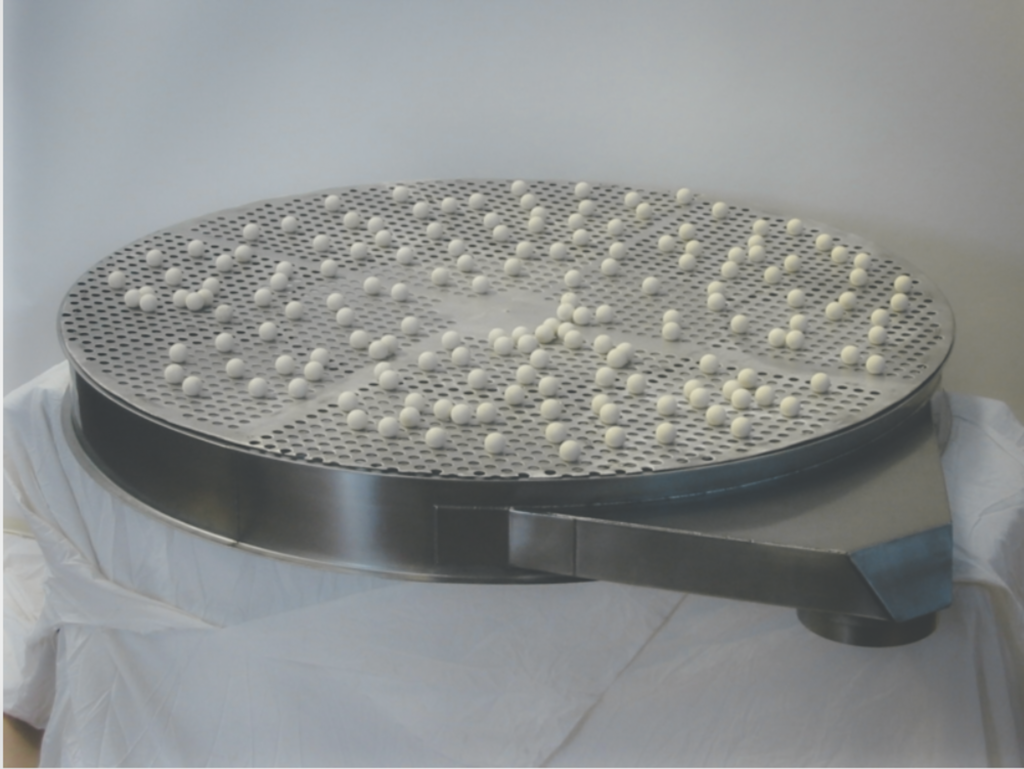
A vibrating sieve is an industrial screening machine that separates materials by particle size using controlled vibration. Material is fed onto a mesh surface, and smaller particles pass through while larger particles remain on top. However, real-world performance depends heavily on system integration, including feed control, conveyors, and discharge handling. Without these elements, even a high-quality machine can underperform. See https://vibratingsieves.co.uk/applications/ for real-world examples.
2. Why do vibrating sieves often fail to perform properly?
Most performance issues are not caused by the sieve itself but by poor integration. Inconsistent feed, lack of automation, poor discharge systems, and incorrect system design all reduce efficiency.
3. What industries benefit most from vibrating sieves?
Industries such as food processing, recycling, chemicals, pharmaceuticals, and metal handling benefit from sieving. Each requires different system configurations, which is why integration is essential. For example, https://vibratingsieves.co.uk/separation-in-plastic-recycling/ require wet handling and contamination control.
4. Can vibrating sieves handle wet materials effectively?
Yes, but only when properly integrated with pumps and drainage systems. Wet materials are common in recycling and waste processes, and require full system design to avoid blockages. See https://plasticwashing.co.uk/ for examples.
5. What causes mesh blinding in vibrating sieves?
Mesh blinding occurs when particles block the screen openings. This is usually caused by moisture, inconsistent feed, or incorrect mesh size. Integration with proper feed systems and material conditioning reduces this issue significantly.
6. How can I improve the performance of my vibrating sieve?
Improving performance usually involves optimising the system around the sieve rather than replacing the machine itself. Installing controlled infeed systems, improving conveyor layouts, and integrating automation can significantly increase throughput and consistency. Many industries, such as https://vibratingsieves.co.uk/chemical/, rely heavily on stable feed conditions to achieve accurate separation.
7. What is the biggest mistake when installing a vibrating sieve?
The biggest mistake is treating the sieve as a standalone machine. Without proper integration into the process — including feed, discharge, steelwork, and controls — performance will always be limited.
8. How important is feed control in sieving systems?
Feed control is one of the most critical factors in sieve performance. Inconsistent feed leads to flooding, poor separation, and inefficiency. Using hoppers, dosing systems, or conveyors ensures a consistent flow of material, which is essential in applications such as https://vibratingsieves.co.uk/food-beverage/.
9. What role do conveyors play in screening systems?
Conveyors ensure smooth and consistent material movement into and out of the sieve. Without them, material flow becomes inconsistent, leading to inefficiencies. Integrated conveyor systems are essential in large-scale operations such as https://plasticwashing.co.uk/.
10. Can automation improve vibrating sieve performance?
Yes, automation improves consistency, reduces manual intervention, and optimises throughput. PLC-controlled systems allow precise control of feed rates, vibration, and discharge, making them essential for high-performance screening.
11. What is the difference between a standalone sieve and an integrated system?
A standalone sieve is just the machine, while an integrated system includes feed systems, conveyors, steelwork, control panels, and automation. Integrated systems deliver significantly better performance and reliability.
12. How do I choose the right vibrating sieve?
Choosing the right sieve requires understanding your material, throughput, and process requirements. However, the most important factor is ensuring the sieve is part of a fully integrated system rather than a standalone purchase.
13. What is mesh size and why does it matter?
Mesh size determines what material passes through the sieve. Choosing the correct mesh is essential for achieving the desired separation, particularly in applications like https://vibratingsieves.co.uk/food-beverage/.
14. Can vibrating sieves be used in recycling systems?
Yes, they are widely used in recycling to remove fines and contamination. For example, https://vibratingsieves.co.uk/separation-in-plastic-recycling/ is a key application.
15. What is throughput in a vibrating sieve?
Throughput refers to the amount of material processed per hour. It depends on system design, feed consistency, and integration.
16. Why is my sieve overflowing?
Overflow is usually caused by excessive feed rates or poor discharge design. Integrating proper feed control and conveyors helps prevent this issue.
17. Can vibrating sieves handle sticky materials?
Yes, but sticky materials require specialised system design, including controlled feed and possibly wet processing.
18. What industries use vibrating sieves for powders?
Food, chemical, and pharmaceutical industries commonly use sieves for powders, such as in https://vibratingsieves.co.uk/chemicals/.
19. How do vibrating sieves improve product quality?
They remove contamination, ensure consistent particle size, and improve overall product quality.
20. Can I retrofit my existing sieve system?
Yes, upgrading feed systems, conveyors, and controls can significantly improve performance without replacing the sieve.
21. What is Factory Acceptance Testing (FATS)?
FATS is when the complete system is assembled and tested before delivery to ensure it performs correctly.
22. Why is FATS important?
It ensures the system works before installation, reducing risk and commissioning time.
23. What is the cost of a vibrating sieve system?
Costs range from £5,000 to over £250,000 depending on complexity and integration.
24. Is it better to buy or rent a vibrating sieve?
Buying is best for long-term use, while renting is ideal for short-term projects or trials.
25. Can vibrating sieves be used in food processing?
Yes, they are essential in applications like https://vibratingsieves.co.uk/food-beverage/.
26. What is the role of steelwork in screening systems?
Steelwork provides structural support, safety, and accessibility for the system.
27. How do pumps integrate with sieving systems?
Pumps are used in wet processing to move material and maintain flow.
28. What is a multi-deck vibrating sieve?
It separates materials into multiple size fractions in a single process.
29. Can vibrating sieves be automated?
Yes, automation improves efficiency and consistency.
30. How long do vibrating sieves last?
With proper maintenance, they can last many years.
31. What maintenance is required?
Regular inspection, cleaning, and component replacement.
32. Can vibrating sieves handle abrasive materials?
Yes, with appropriate materials and design.
33. What is vibration frequency?
It is the speed at which the sieve vibrates.
34. What is amplitude?
The movement distance of the sieve during vibration.
35. Can multiple sieves be used together?
Yes, for increased capacity or multi-stage separation.
36. What is process optimisation?
Improving efficiency across the entire system.
37. How do I reduce downtime?
By improving system design and automation.
38. What is system bottlenecking?
When one part of the process limits overall performance.
39. Can systems be upgraded?
Yes, modular systems allow upgrades.
40. What is dust extraction?
It removes airborne particles to improve safety and cleanliness.
41. Are vibrating sieves suitable for waste processing?
Yes.
42. What makes Rotajet different?
Full system integration and in-house engineering.
43. Why is integration important?
Because performance depends on the entire system, not just the sieve.
44. Can vibrating sieves improve efficiency?
Yes, when properly integrated into the process.
45. What is ROI for integrated systems?
Higher throughput and lower labour costs deliver faster ROI.
46. Can systems be customised?
Yes, all systems can be tailored to specific applications.
47. What industries use wet screening?
Recycling and waste industries commonly use wet screening.
48. What is material conditioning?
Preparing material before screening to improve performance.
49. Can vibrating sieves handle large volumes?
Yes, with proper system design.
50. What is the best way to design a screening system?
Start with the process, not the machine.
51. Can vibrating sieves be used in pharmaceuticals?
Yes, with hygienic and enclosed designs.
52. What is separation efficiency?
How effectively the sieve separates material.
53. How do I improve separation efficiency?
Optimise feed, mesh, and system design.
54. What is a screening system?
A complete setup including sieve, feed, and handling.
55. Why choose Rotajet?
Because Rotajet delivers complete systems, not just machines.
56. What is system integration?
Designing all components to work together.
57. Can vibrating sieves reduce waste?
Yes, by improving material recovery.
58. What is the future of screening systems?
Automation and full integration.
59. Can I scale my system later?
Yes, modular systems allow expansion.
60. Why invest in a full screening system?
Because it delivers consistent, efficient, and reliable performance.
Visit Vibrating Sieves to learn more or to get in contact with us.